Amaretto Description | Notes et références | Menu de navigationlire en lignem

ApéritifBoisson italienne


projets correspondantsitalienamerboisson alcooliséeItalieliqueuramandesabricotspêchesdessert


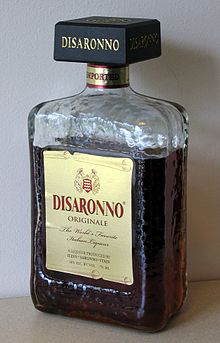
Bouteille d'amaretto de marque Disaronno Originale


Amaretto (diminutif de l'italien « amaro », « amer ») est l'appellation d'une boisson alcoolisée douce, avec une légère saveur d'amande amère[1], originaire d'Italie.


Description |


Titrant généralement à 28° d'alcool, c'est une liqueur aux amandes amères (noyaux d'abricots, de pêches, etc).


L'amaretto est l'une des liqueurs pouvant servir à aromatiser le tiramisù, un dessert italien.
Une boisson qui peut être consommée autant à l'apéritif (avec de la glace ou pour beaucoup de cocktails) qu'au digestif.


Notes et références |


  1. (en) Joseph LaVilla, The Wine, Beer, and Spirits Handbook: A Guide to Styles and Service, John Wiley and Sons, 5 mai 2009(ISBN 9780470138847, lire en ligne)


  • Portail de l’Italie Portail de l’Italie
  • Portail des boissons Portail des boissons

Popular posts from this blog

Isabella Eugénie Boyer Biographie | Références | Menu de navigationmodifiermodifier le codeComparator to Compute the Relative Value of a U.S. Dollar Amount – 1774 to Present.

Join wedge with single bond in chemfigHow to make only one part of double bond bold with chemfig?Crossing bonds in chemfigjoining atoms in chemfig. Two adjacent molculesHow do I selectively change bond length in chemfig?Ugly bond joints in chemfigchemfig: reaction above arrowUsing the mhchem and chemfig packages in conjunctionBonding to specific element letter using chemfigResonance hybrids in chemfigScale chemfig molecule in beamer with tikzWhy does this chemfig bond with a hook start in the middle of the atom?

Should we avoid writing fiction about historical events without extensive research?How do we write a story about genocide committed by a fascist government without falling into the “Nazi Germany” cliché?Researching sensitive subjectsShould I avoid “lecturing” my readers?Archetypical/popular historical fictionHow to write a “strong” passage?Will what worked 'back then' work today? (Novels)Historical Fiction: using you and thouHow do you make characters relatable if they exist in a completely different moral context?How do I write a MODERN combat/violence scene without being dry?Fictionizing firsthand accounts from history?Is it possible to narrate a novel in a faux-historical style without alienating the reader?